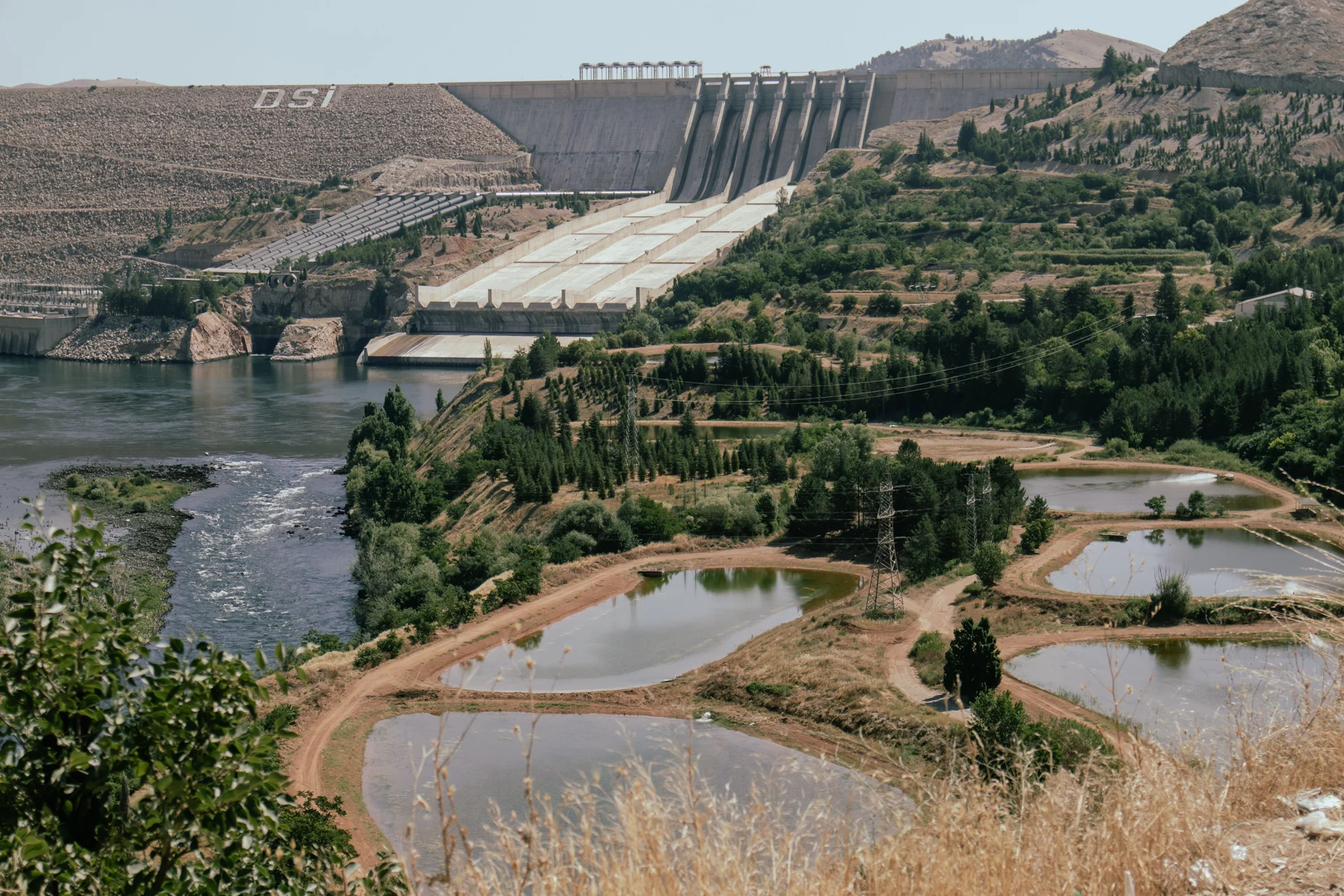
Illustrative sector imagery. Applications are scoped around each organisation’s systems and authority.
From a real request to accountable work.
Three applications to explore with your operations team. Each connects a concrete task to an authorised decision and a record of completion.
Incident communications
Request
A confirmed service interruption creates an incident record.
Work
DMI exposes the approved incident status. Services prepares updates for affected accounts and routes unanswered requests to the incident team.
Authority
The incident lead approves public messages and priority-support decisions.
Evidence
Each update links to its source incident and delivery acknowledgement.
Repair coordination
Request
A field crew requests a replacement part for an approved repair.
Work
Check the asset and stock references, collect supplier availability and prepare the order and delivery handover.
Authority
The buyer approves expenditure; the operations team controls dispatch and physical work.
Evidence
The order, delivery receipt and work-order reference remain connected.
Contractor close-out
Request
A contractor submits a completed work pack.
Work
Check that required photographs, asset references and completion records are present; request missing items.
Authority
The authorised engineer accepts the work.
Evidence
The asset record links the submitted pack, the engineer’s acceptance decision and any outstanding exceptions.
Put a value on the time.
If 1,500 eligible cases per month move from 12 to 5 staff minutes each, the difference is 175 staff hours. At an assumed £32/hour, that is £5,600 of gross monthly staff capacity.
175 hoursMonthly capacity released
£5,600Gross monthly capacity value
Planning example, not a customer result or guaranteed saving. After-case time includes routine review and expected exceptions. Validate all assumptions in a pilot. Staff capacity is not necessarily cash saved; subtract implementation, integration, software and ongoing oversight costs.
Connect the systems you already use.
Asset register and work-order system
Customer incident and communication channels
Inventory, purchasing and contractor records
Example applications for a scoped implementation. System access, connectors, permitted actions and acceptance criteria are agreed before deployment.
Bring a recent case, your current handling time and the systems it touches. We will map the endpoint, approval rules and evidence needed to evaluate a pilot.
Water incidents involve customer updates, specialist materials and coordination with other agencies. These references explain the workflow context; they are not UIE customer claims or endorsements.